


Luxor Museum
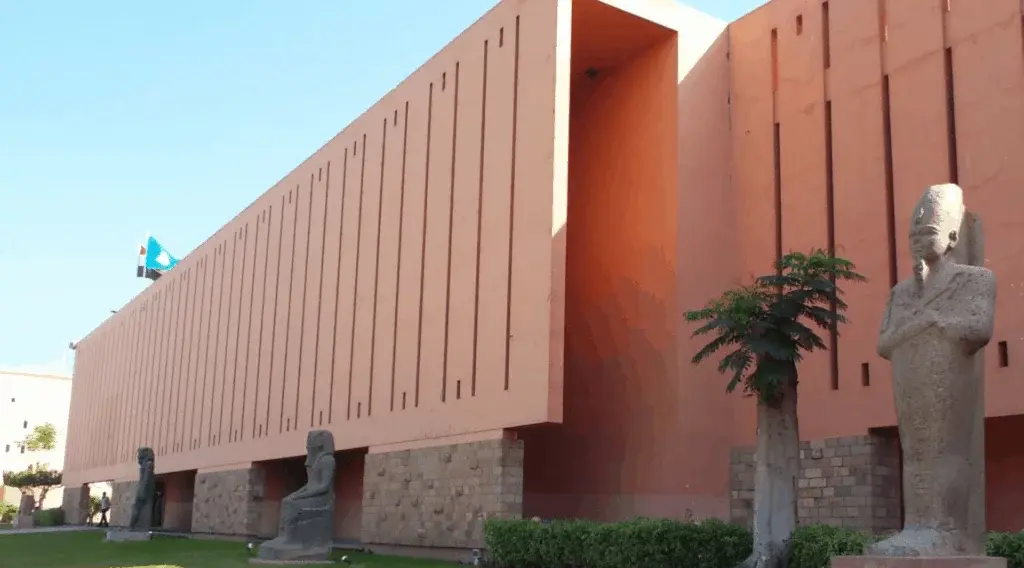
Unearthing Treasures of the Theban Necropolis: Your Guide to Luxor Museum!
In the vibrant city of Luxor, where ancient wonders stand shoulder-to-shoulder with modern life, lies a treasure trove that offers a captivating journey into Egypt's illustrious past: the Luxor Museum. While the monumental temples on the East and West Banks of the Nile often steal the show, the Luxor Museum provides an intimate and illuminating encounter with artifacts unearthed from these very sites, allowing you to connect with the artistry and beliefs of the pharaohs and their people on a profound level.
For those planning a visit to Luxor, dedicating time to explore the Luxor Museum is an absolute must. It's more than just a collection of relics; it's a curated narrative of Thebes, the ancient capital, revealing the skill, ingenuity, and spiritual depth of its inhabitants. This article will be your companion, guiding you through its remarkable collection, offering practical tips for your visit, and igniting your curiosity about the wonders held within its walls.
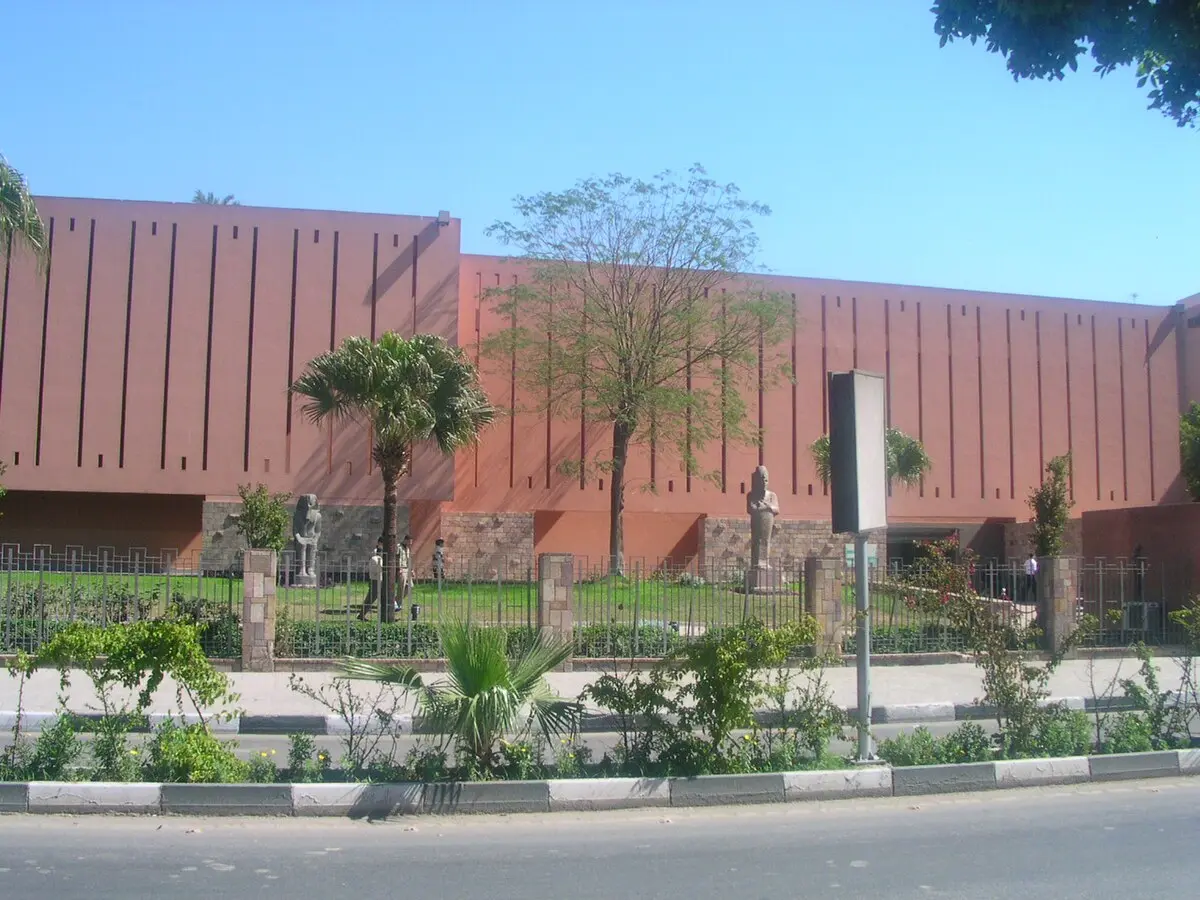
A Sanctuary for Antiquities: The Importance of Luxor Museum
Established in 1975, the Luxor Museum was thoughtfully designed to house artifacts primarily discovered within the Luxor region, ensuring that these invaluable pieces remain close to their origins. This regional focus allows the museum to tell a cohesive story of Thebes, from the Old Kingdom through the Greco-Roman period. Unlike the grand scale of the Egyptian Museum in Cairo, the Luxor Museum offers a more focused and manageable experience, allowing visitors to appreciate each artifact in detail without feeling overwhelmed. It acts as a vital bridge, connecting the monumental sites you'll explore with the human stories and artistic expressions of the people who created them.
Stepping Inside: What to Expect at Luxor Museum
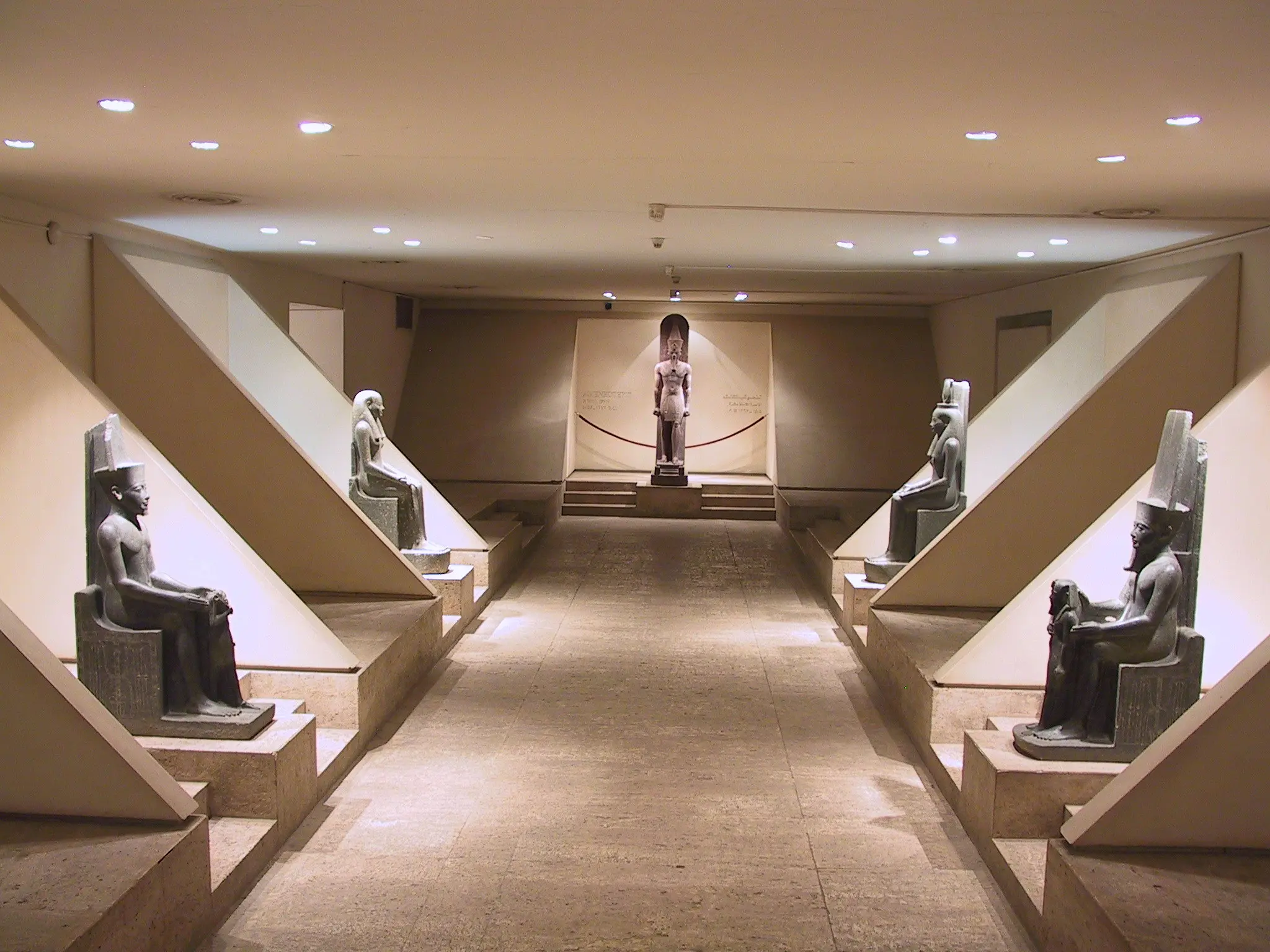
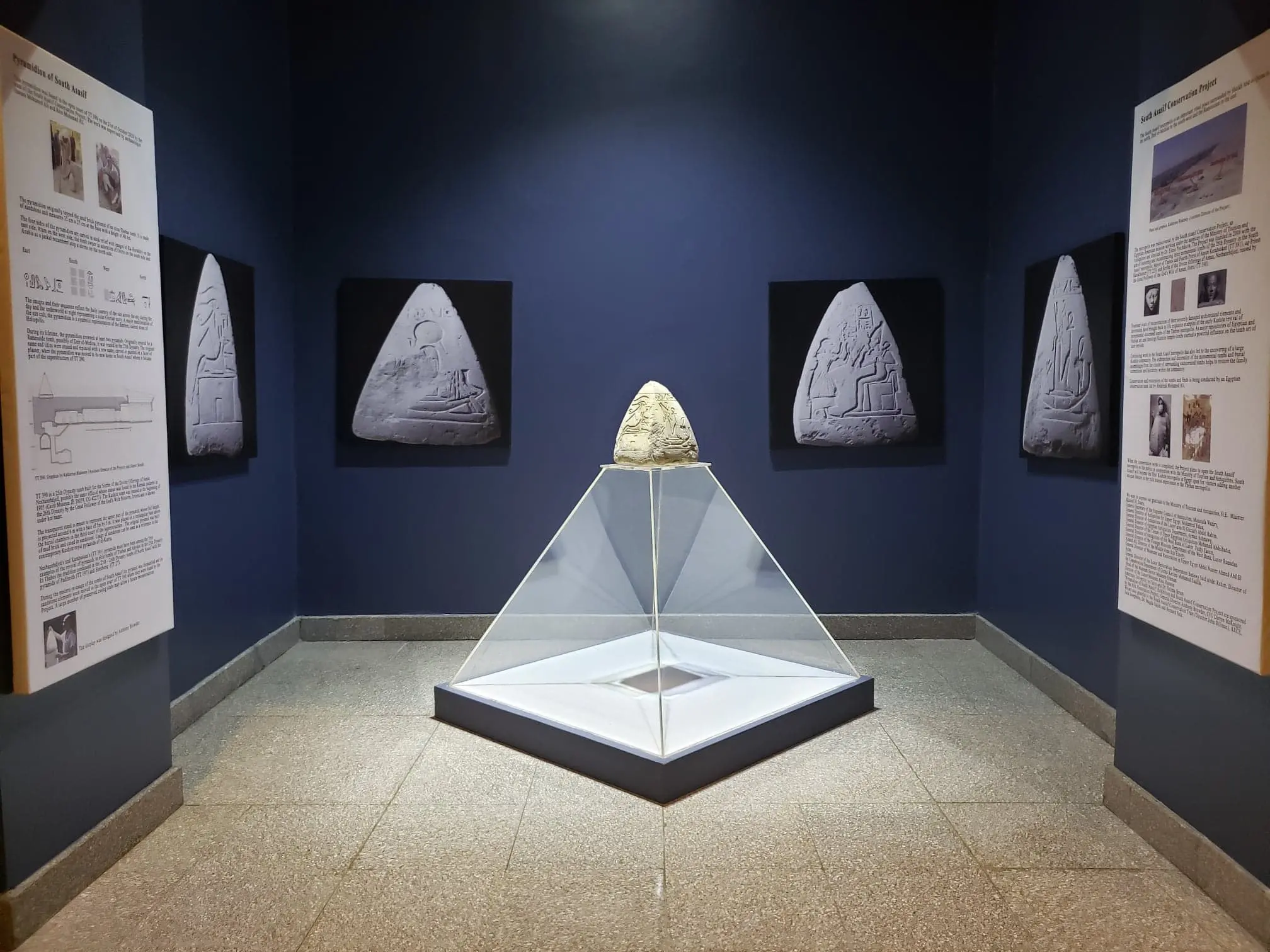
The museum's layout is intuitive, leading you through chronological periods and thematic displays. The lighting and presentation are excellent, enhancing the beauty and significance of each object. You'll find clear and informative labels in both Arabic and English, providing context and enriching your understanding.
A Glimpse into Artistic Mastery: Luxor Museum Artworks
The Luxor Museum artworks are a testament to the exceptional skill of ancient Egyptian artisans. Prepare to be mesmerized by the exquisite detail and craftsmanship on display. Highlights include:
- Statues of Thutmose III: Several striking statues of this powerful pharaoh showcase the evolution of royal portraiture during the New Kingdom.
- The Head of Senusret III: This remarkable Middle Kingdom sculpture captures the intense and world-weary expression of a powerful ruler, a departure from idealized depictions.
- Fragments of Royal Reliefs: Intricately carved blocks from temples and tombs reveal scenes of daily life, religious rituals, and royal achievements, offering glimpses into a world long past.
- Jewelry and Personal Adornments: Delicate necklaces, bracelets, and amulets crafted from gold, precious stones, and faience highlight the sophistication of ancient Egyptian aesthetics and beliefs about protection and the afterlife.
- Pottery and Ceramics: Everyday objects elevated to art forms, showcasing the development of ceramic techniques and decorative styles over millennia.
A Journey Through Time: Luxor Museum Exhibits
The Luxor Museum exhibits are carefully curated to provide a comprehensive overview of the region's history. Key exhibits include:
- The Cachette of Luxor Temple: This extraordinary discovery in 1989 yielded a remarkable collection of 26 New Kingdom statues, including depictions of gods, goddesses, and royalty. These statues, buried for safekeeping in antiquity, are now among the museum's most prized possessions, their serene expressions and masterful carving captivating visitors.
- The Royal Mummies: The museum houses a small but significant collection of royal mummies, including two unidentified royal figures. Coming face-to-face with these ancient individuals offers a powerful connection to the past.
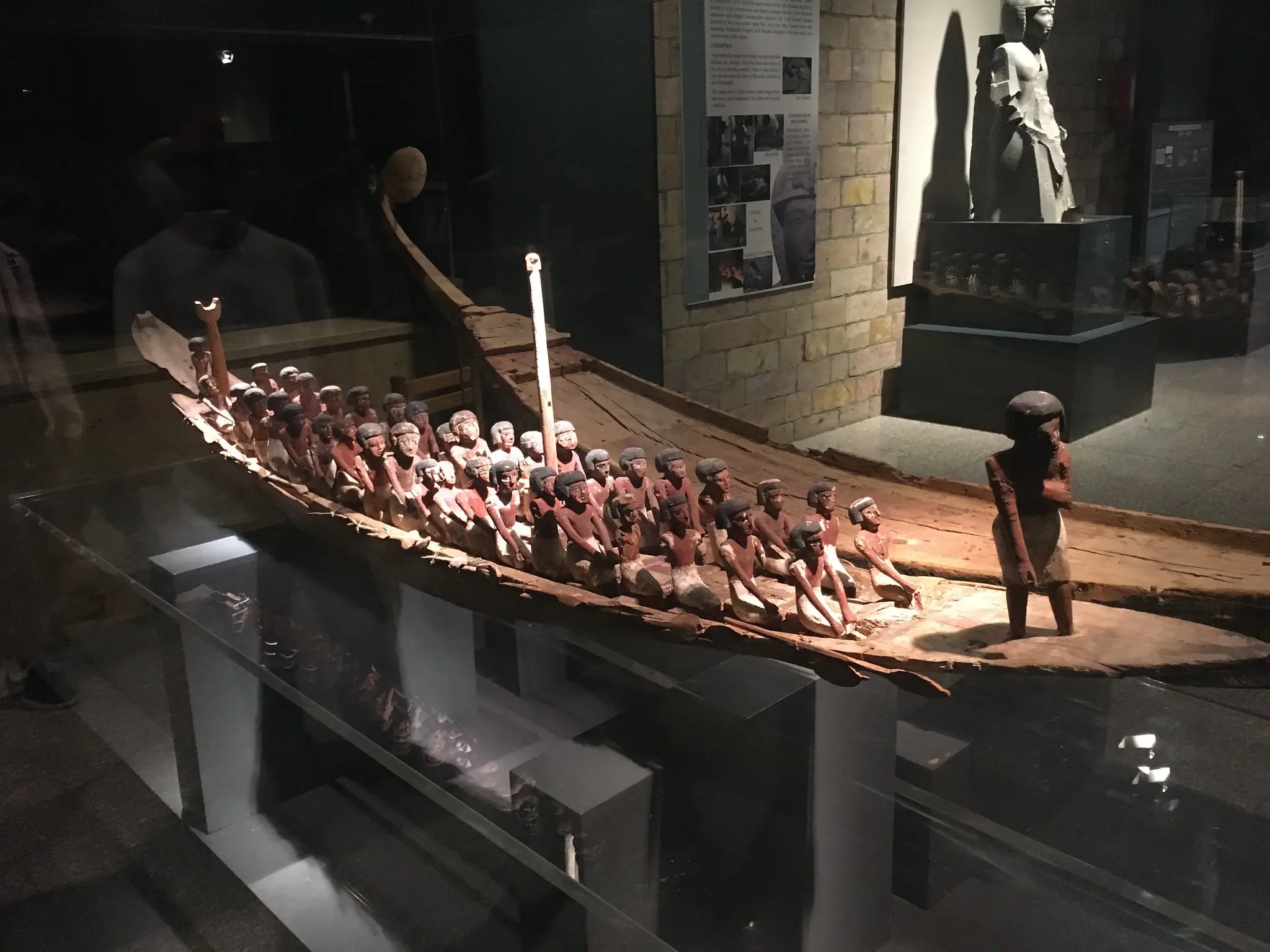
- Funerary Artifacts: From sarcophagi and canopic jars to shabti figures and amulets, these objects provide insights into ancient Egyptian beliefs about death, the afterlife, and the elaborate preparations undertaken for the journey beyond.
- Objects from Daily Life: Tools, furniture, games, and other everyday items offer a fascinating glimpse into how ordinary people lived in ancient Thebes.
- The Military Section: Artifacts related to warfare and the Egyptian army highlight the importance of military power in maintaining the pharaoh's authority and protecting the kingdom.
Enhance Your Understanding: Luxor Museum Exhibits Tours
To truly appreciate the depth and context of the Luxor Museum exhibits, consider joining a guided tour. Several options are typically available at the museum entrance or can be pre-booked through reputable tour operators like Nile cruises Tours. Luxor Museum exhibits tours led by knowledgeable Egyptologists can provide invaluable insights into the history, significance, and artistry of the artifacts. They can point out details you might otherwise miss and answer your questions, enriching your overall experience. Checking the Nile cruises Tours website for specific Luxor Museum exhibits tours will ensure you have a well-informed and engaging visit.
Planning Your Visit: Practical Information for Luxor Museum
To make the most of your time at the Luxor Museum, here’s some essential information:
Convenient Hours for Exploration: Luxor Museum Opening Hours
The Luxor Museum opening hours typically vary slightly depending on the season, but generally, it is open daily from 9:00 AM to 4:00 PM during the winter months (October to April) and may have extended hours or a second opening period in the evenings during the summer (May to September). It is always advisable to double-check the current Luxor Museum opening hours closer to your visit, either through the museum's official website (if available) or through your hotel or a reliable tour operator like Nile cruises Tours.
What Others Are Saying: Luxor Museum Reviews
Before your visit, it can be helpful to read Luxor Museum reviews from other travelers. Online platforms often feature feedback on the museum's collection, presentation, and overall visitor experience. Many reviewers praise the museum for its well-curated exhibits, excellent lighting, and informative displays. They often highlight the Cachette of Luxor Temple and the royal mummies as must-see attractions. Reading these Luxor Museum reviews can help you set expectations and get a sense of what others have found particularly compelling.
Your Entry Ticket: Luxor Museum Tickets
Luxor Museum tickets can be purchased directly at the museum's ticket office upon arrival. It's generally recommended to have cash in Egyptian Pounds for the purchase.
Understanding the Cost: Luxor Museum Ticket Price
The Luxor Museum ticket price for foreign adults is currently around EGP 200. Students with a valid international student ID may be eligible for a discounted rate, so it's always worth presenting your ID at the ticket counter. It's important to note that prices are subject to change, so it's a good idea to verify the current Luxor Museum ticket price before your visit. Often, the Nile cruises Tours website will provide up-to-date information on entrance fees for various attractions in Luxor, including the museum.
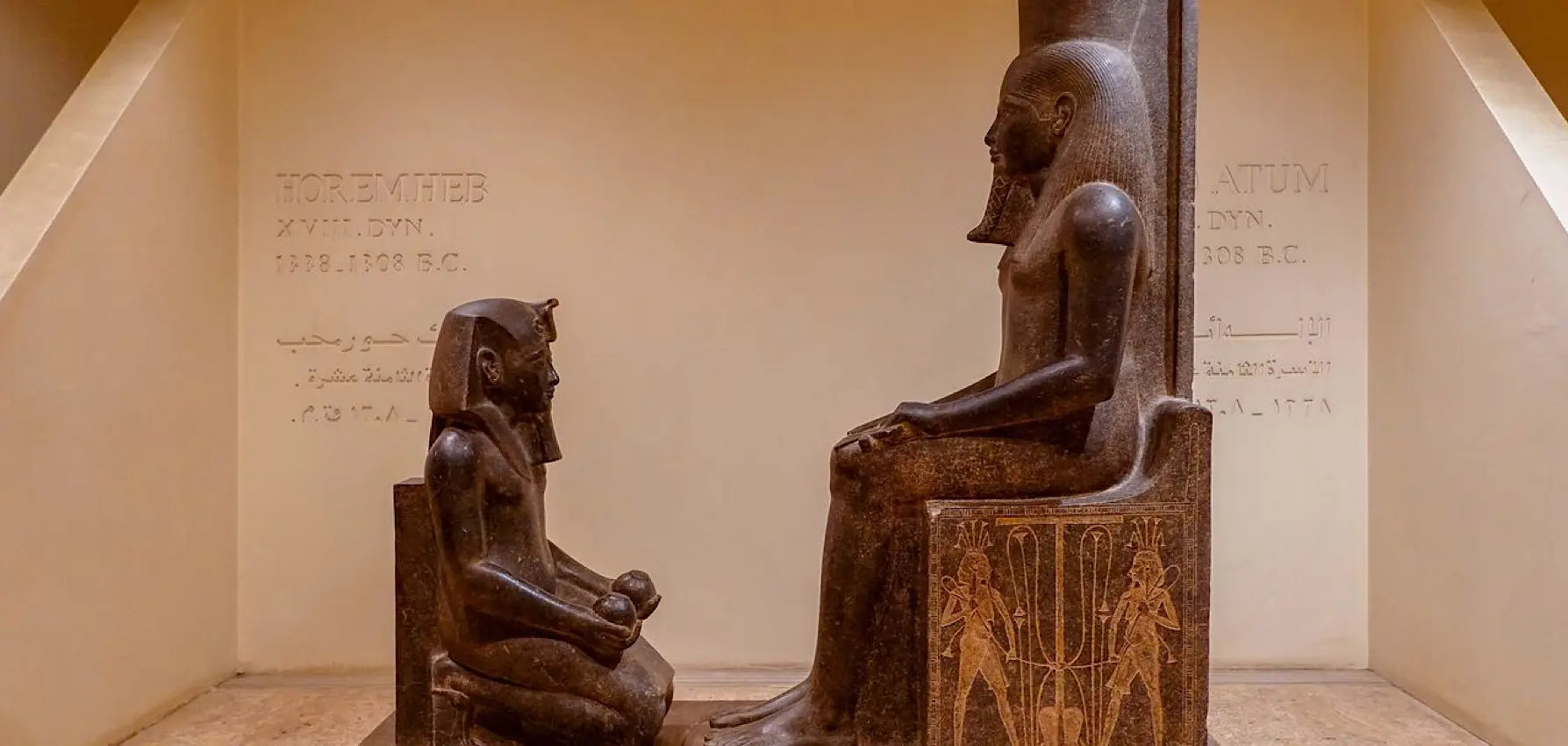
Exploring the Treasures: A Deeper Dive into Key Exhibits
Beyond the general overview, let's delve a little deeper into some of the Luxor Museum's standout pieces:
- The Statue of Tuthmosis III (in greywacke): This powerful sculpture captures the youthful vigor and determination of one of Egypt's greatest warrior pharaohs. The polished greywacke stone gleams under the museum lights, highlighting the fine details of his facial features and royal regalia.
- The Cachette Statues: The discovery of these 26 statues, buried beneath the court of Amenhotep III in Luxor Temple, was a truly remarkable event. The collection includes depictions of gods like Amun and Mut, as well as serene and dignified portrayals of pharaohs and high officials. Their excellent state of preservation and the variety of materials used (granite, diorite, sandstone) make this exhibit a highlight.
- The Mummy of King Ahmose I: While not always on public display due to conservation needs, the mummy of Ahmose I, the founder of the 18th Dynasty, is a significant artifact in the museum's collection. His reign marked the beginning of the New Kingdom, a golden age in Egyptian history.
- The Offering Table of Amenhotep IV (Akhenaten): This unique offering table, dating to the Amarna Period, reflects the revolutionary religious beliefs of Akhenaten, who briefly shifted Egyptian worship to the Aten, the sun disc. The artistic style and religious iconography of this piece are distinct from earlier periods.
Making Your Visit Seamless with Nile cruises Tours
To fully immerse yourself in the wonders of the Luxor Museum and the other incredible sites in Luxor, consider booking your trip with Nile cruises Tours. We offer curated itineraries that include visits to the museum, led by knowledgeable guides who can bring the ancient world to life for you.
Why choose Nile cruises Tours for your Luxor experience?
- Expertly Crafted Tours: Our tours are designed to maximize your time and provide a comprehensive understanding of Luxor's history and culture.
- Knowledgeable Guides: Our certified Egyptologists are passionate about sharing their expertise and answering your questions.
- Hassle-Free Planning: We take care of all the logistics, from accommodation and transportation to entrance tickets, allowing you to relax and enjoy your journey.
- Customizable Options: We can tailor tours to your specific interests and preferences, ensuring a personalized and enriching experience.
Luxor Museum FAQs
How much time is needed for the Luxor Museum?
A visit to the Luxor Museum is generally more manageable than a trip to a vast complex like Karnak Temple. On average, you should allocate about 1.5 to 2 hours to fully explore the museum's collection at a comfortable pace. This allows you to appreciate the details of the sculptures and artifacts and read the informative labels. If you are a dedicated history enthusiast or wish to spend more time studying specific exhibits, you might extend your visit to 2.5 to 3 hours.
Does the Luxor Museum have mummies?
Yes, the Luxor Museum does have mummies. While the Mummification Museum (located nearby) is dedicated to the process of mummification, the Luxor Museum's collection includes a significant exhibit of royal mummies. As of 2004, the royal mummies of two pharaohs, Ahmose I and Ramesses I, were put on display in a new extension to the museum. This exhibit is a major highlight and provides a rare opportunity to see the preserved remains of these ancient rulers up close.
What to see in the Luxor Museum?
The Luxor Museum is renowned for the high quality and curated nature of its collection. While it may not be as large as the Egyptian Museum in Cairo, the artifacts are beautifully displayed with excellent lighting and detailed information. Some of the most notable and must-see exhibits include:
- The Cachette of Luxor Temple: This is perhaps the most famous exhibit. It's a collection of 26 exquisite statues, including representations of gods like Amun and Mut, as well as several pharaohs, that were discovered buried within the courtyard of Luxor Temple in 1989.
- The Royal Mummies: The mummies of King Ahmose I and King Ramesses I are a powerful and moving display, offering a direct connection to two of Egypt's most important pharaohs.
- The Statue of Tuthmosis III: A striking, beautifully preserved greywacke statue of this great warrior king.
- The Statue of Amenhotep III with the God Sobek: This unique calcite double statue depicts a pharaoh alongside the crocodile god, highlighting the complex religious beliefs of the time.
- The Talatat Wall of Akhenaten: A reconstructed wall made of small, intricately carved sandstone blocks (called talatat) from the temple of Akhenaten at Karnak. This exhibit provides a fascinating glimpse into the unique art style and religious revolution of the Amarna Period.
- Artifacts from Tutankhamun's Tomb: While most of the treasures from his tomb are in Cairo, the Luxor Museum has a selection of his funerary items, including small statues, shabti figures, and other grave goods.
Concluding Your Exploration: A Gateway to Ancient Thebes
The Luxor Museum offers a captivating and essential complement to the monumental temples and tombs that make Luxor a world-renowned archaeological destination. It provides a space to appreciate the artistry, craftsmanship, and human stories behind the grand facades, allowing for a deeper connection with the civilization that once thrived along the banks of the Nile.
Ready to delve into the treasures of the Luxor Museum? Start planning your unforgettable Luxor adventure today with Nile cruises Tours! Browse our dedicated Luxor Museum trips section on our website or contact us directly via WhatsApp at +201013712752. Let us guide you through the wonders of ancient Thebes.
Post Comment