


The Valley of the Kings
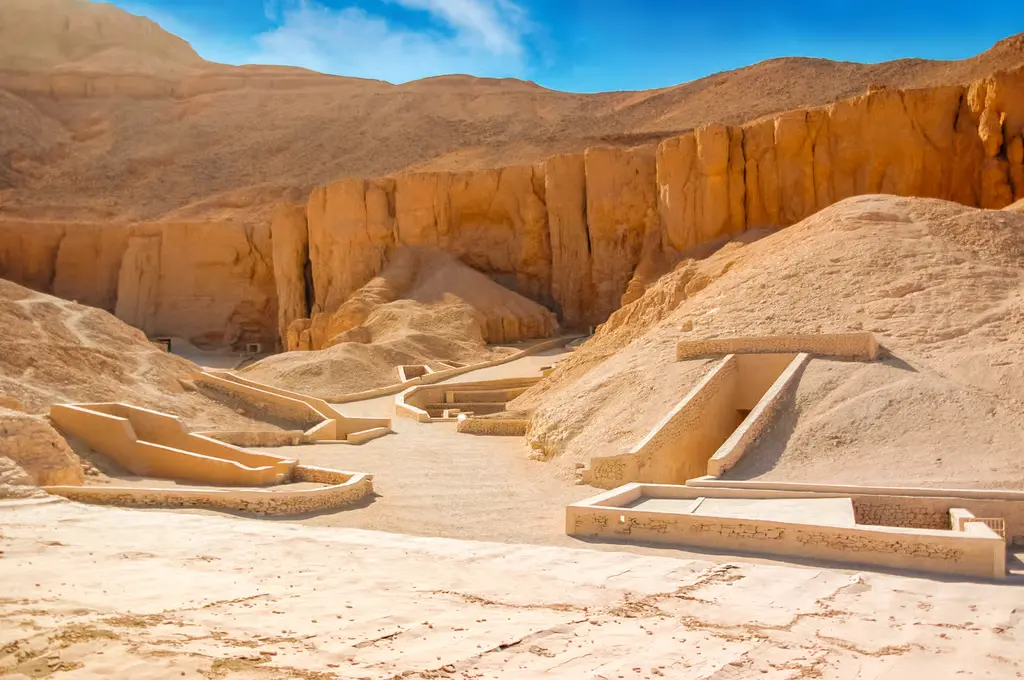
The Valley of the Kings is one of Egypt’s most famous archaeological sites, serving as the burial ground for pharaohs and powerful nobles of the New Kingdom (circa 1550–1070 BCE). This UNESCO World Heritage Site is renowned for its elaborate tombs, intricate wall paintings, and the treasures buried with the ancient rulers.
The Valley of the Kings: A Journey into Ancient Egypt’s Royal Necropolis.
This comprehensive guide merges historical insights with practical visiting the Valley of the Kings advice from multiple expeditions.
What Country is the Valley of the Kings In?
The Valley of the Kings is located in Egypt, the land of the pharaohs and one of the world’s oldest civilizations.
Where is the Valley of the Kings Located?
Situated on the west bank of the Nile River, near the modern city of Luxor (ancient Thebes), the Valley of the Kings lies within the Theban Necropolis, a vast burial complex that also includes the Valley of the Queens and the Temple of Hatshepsut.
Valuable Artifacts in the Valley of the Kings
This location contains many valuable artifacts, including golden sarcophagi, jewelry, statues, and religious texts like the Book of the Dead. The most famous discovery was King Tutankhamun’s tomb (KV62) in 1922 by Howard Carter, filled with over 5,000 artifacts.
Who Was Buried in the Valley of the Kings?
In the Valley of the Kings, Many powerful pharaohs were buried here, including:
-
- Tutankhamun (King Tut)
- Ramses II (the Great)
- Seti I
- Thutmose III
- Amenhotep II
- Hatshepsut (one of the few female pharaohs)
Why Was the Valley of the Kings Built?
The Valley of the Kings was chosen as a royal burial site to protect tombs from tomb robbers. Unlike the pyramids, which were obvious targets, these hidden tombs were carved into the mountains to keep them secret.
When Was the Valley of the Kings Built?
Construction began in The Valley of the Kings around 1539 BCE during the reign of Thutmose I and continued for nearly 500 years until the end of the New Kingdom (1070 BCE).
How Old is the Valley of the Kings?
The site is approximately 3,500 years old, making it one of the most significant historical landmarks from ancient Egypt.
What is Valley of the Kings Map?
The Valley of the Kings contains 63 known tombs, labeled KV1 to KV65 (with some numbers reserved for undiscovered tombs). The tombs are spread across two main branches: the East Valley (where most royal tombs are) and the West Valley (with fewer tombs).
What Did the Valley of the Kings Look Like in Ancient Egypt?
In ancient times, the valley was a bustling burial site with priests, workers, and artists decorating the tombs. The entrances were sealed, and the area was guarded to prevent theft.
Why is the Valley of the Kings Important?
The Valley of the Kings provides insights into ancient Egyptian beliefs about the afterlife, burial practices, and artistry. The well-preserved tombs reveal historical and religious texts, such as the Book of Gates and the Amduat.
What is Special About the Valley of the Kings?
- Hidden tombs designed to deter thieves
- Stunning wall paintings depicting gods and the afterlife
- The discovery of Tutankhamun’s intact tomb
- Advanced engineering in tomb construction
10 Facts About the Valley of the Kings
- Only 11 tombs are open to the public at a time to preserve them.
- The longest tomb (KV17 – Seti I) stretches 137 meters.
- Some tombs have false doors and traps to confuse robbers.
- The temperature inside tombs can reach 40°C (104°F).
- KV5, the tomb of Ramses II’s sons, has 120+ chambers.
- The first tomb discovered in modern times was KV17 (Seti I) in 1817.
- Not all tombs were for pharaohs—some belonged to nobles and royal family members.
- The latest discovery (KV65) was announced in 2020.
- Some tombs were reused by later rulers.
- Tutankhamun’s tomb was nearly intact because it was buried under rubble from later tomb constructions.
Valley of the Kings Tombs List (Most Famous)
- KV62 (Tutankhamun) – Small but filled with treasures
- KV17 (Seti I) – One of the most beautifully decorated
- KV9 (Ramses V & VI) – Features stunning astronomical ceilings
- KV35 (Amenhotep II) – Used as a royal mummy cache
- KV34 (Thutmose III) – Hidden and difficult to access
How Many Tombs Are in the Valley of the Kings?
There are 63 discovered tombs, but archaeologists believe more may still be hidden.
Are There Still Undiscovered Tombs in the Valley of the Kings?
Yes! Experts think at least 10-20 more tombs could be found, including possibly Nefertiti’s lost tomb.
Valley of the Kings Tickets
- General entry: ~20 USD (includes access to 3 tombs)
- Tutankhamun’s tomb: Extra 20 USD
- Seti I’s tomb: Extra 50 USD (one of the most expensive)
The Valley of the Kings FAQs
Is the Valley of the Kings Worth Visiting?
Absolutely! It’s a must-see for history lovers, offering a glimpse into ancient Egyptian royalty.
Which Egyptian Queen is Buried in the Valley of the Kings?
Queen Hatshepsut (KV20) and possibly Nefertari (though her main tomb is in the Valley of the Queens).
What to Wear to the Valley of the Kings?
- Light, breathable clothing (it’s extremely hot)
- Comfortable shoes (lots of walking)
- Hat & sunscreen (shade is limited)
Are There Toilets in the Valley of the Kings?
Yes, near the entrance, but they may require a small fee.
Is the Valley of the Kings Near the Pyramids?
No, the pyramids are in Giza (near Cairo), while the Valley of the Kings is in Luxor (650 km south).
Can Tourists Go to the Valley of the Kings?
Yes, it’s one of Egypt’s top tourist attractions.
Can You Take Photos in the Valley of the Kings?
No photography inside tombs (to preserve the paintings), but outdoor photos are allowed.
Can I Wear Shorts to the Valley of the Kings?
Yes, but modest clothing is recommended out of respect for local culture.
How Many Bodies Are Buried in the Valley of the Kings?
Over 60 royal mummies have been found, but many were moved to prevent looting.
What is the Best Tomb to Visit in the Valley of the Kings?
- KV17 (Seti I) – Most detailed artwork
- KV62 (Tutankhamun) – Famous treasures
- KV9 (Ramses V & VI) – Best astronomical scenes
Do I Need a Guide for the Valley of the Kings?
A guide is highly recommended to explain the history and symbolism.
Is It Safe to Travel to the Valley of the Kings?
Yes, Luxor is a major tourist destination with heavy security.
Was Cleopatra Buried in the Valley of the Kings?
No, Cleopatra VII (the last pharaoh) was buried in Alexandria, not the Valley of the Kings.
How Much is Entry to the Valley of the Kings?
- Standard ticket: ~$20 USD (for 3 tombs)
- Extra tombs: Additional fees apply
Conclusion
The Valley of the Kings remains one of the most fascinating archaeological sites in the world. From hidden tombs to legendary pharaohs, it offers an unforgettable journey into Egypt’s golden age. Whether you're a history enthusiast or an adventurous traveler, this ancient necropolis is a must-visit!
Beyond the crowds and ticket booths, the Valley of the Kings remains sacred ground where ancient Egyptians perfected their art of eternity. Standing in Seti I's burial chamber or tracing the stars on Ramses VI's ceiling connects us across millennia to people who, like us, pondered life's meaning and sought immortality through memory.
As archaeologist Kent Weeks reflects:"Every tomb is a time capsule, not just of objects, but of ideas." With new technologies revealing hidden chambers and correcting historical assumptions, the valley continues yielding secrets - ensuring future generations will make their own discoveries in this wadi of wonders.
Planning Your Visit? Check Nile cruises Tours offers for the Valley of the Kings tours.
Post Comment